English
 اردو
اردو
1. Introduction
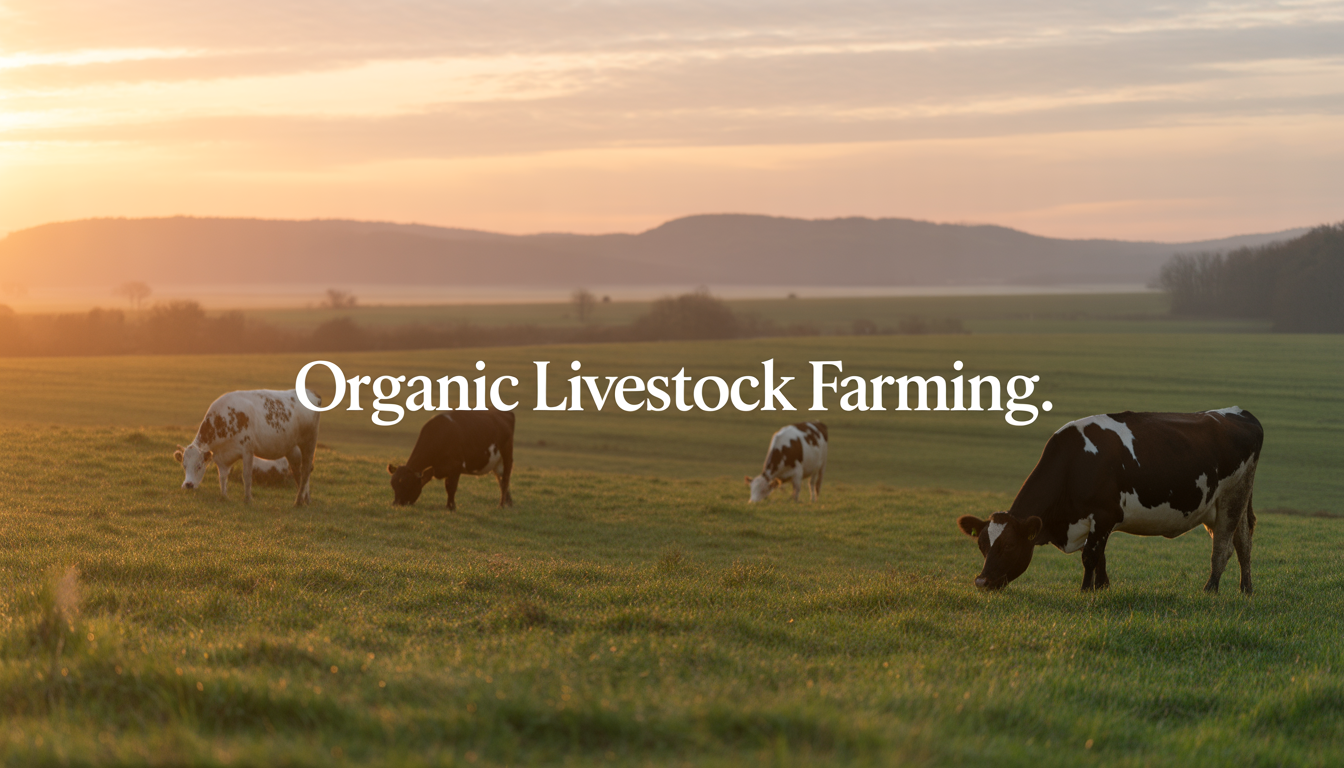
Organic livestock farming is more than a trend — it’s a commitment to raising animals naturally, sustainably, and ethically. For farmers and consumers alike, it ensures healthier food, better animal welfare, and trust in the supply chain.
2. Core Principles of Organic Livestock Farming
- Natural Feed: Animals must be fed organic grains, grass, and forage, free from synthetic chemicals.
- Animal Welfare: Housing, grazing, and handling must prioritize comfort and humane treatment.
- No Synthetic Inputs: Antibiotics, growth hormones, and chemical pesticides are prohibited.
- Sustainability: Practices should protect soil, water, and biodiversity.
- Transparency: Records must be maintained to prove compliance.
3. Transitioning to Organic Compliance
Farmers moving from conventional to organic systems face challenges, but the path is clear:
- Feed Management: Shift to certified organic feed sources.
- Housing & Grazing: Provide open pastures and clean, natural housing.
- Health Practices: Use preventive care (herbal remedies, balanced diets) instead of synthetic drugs.
- Record Keeping: Maintain logs of feed, health treatments, and farm practices.
4. Certification Pathways
Traditionally, organic certification involves:
- Formal Audits by government or private agencies.
- High Costs for inspections and paperwork.
- Complex Processes that discourage small farmers.
While effective, these systems can be out of reach for small-scale producers in Pakistan and similar regions.
5. Organix – An Alternate Verification Model
This is where Organix steps in:
- Practice-Based Verification: Instead of heavy audits, Organix checks actual farming practices.
- Scoring System: Farmers receive a transparent score based on compliance.
- Report Display: Verified products carry a visible report card for consumers.
- Accessibility: Low-cost, digital-first, designed for small businesses and startups.
- Trust Building: Consumers see not just a label, but the practices behind it.
6. Conclusion
Organic livestock farming is the future of sustainable food. Certification ensures credibility, but barriers remain for small farmers. Organix provides an alternate path — practical, affordable, and transparent. By combining education with accessible verification, Organix empowers farmers and reassures consumers: Transparency you can trust.